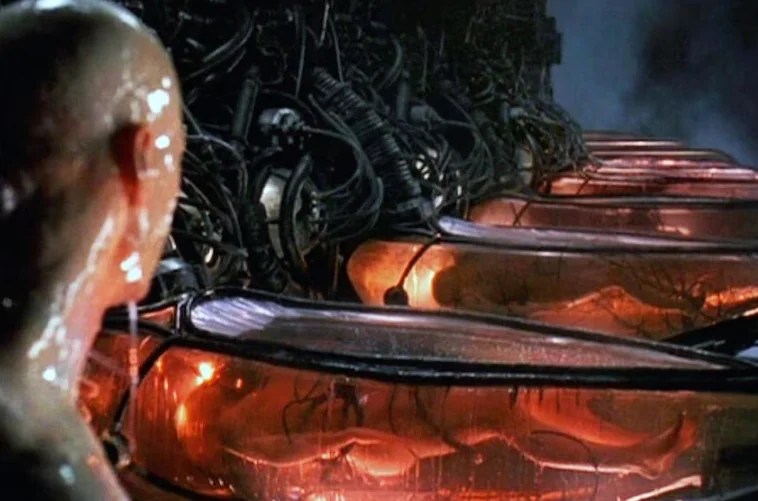
Welcome to the Matrix
The more I put my attention into my art, my psych studies, meditation, and my writing, the more I see subtle changes in how I move through life, or maybe… how creativity can move through me.
This makes me consider the spontaneous nature of creativity that can lead to flow states when we give it time and attention, yet more and more our attention and time is being hacked by distractions which lead to a flatness, and a relinquishing of our individuality.
Images of the Matrix swim in my head when I consider our increased culpability in a world that wants us to give up and plug into the Matrix. It tells us, “it’s too late, you have no choice, you’ll be left behind!” as it dismantles any semblance of what makes someone an individual on a life journey of self-discovery.
In fact, this article began from a dream state, not from asking Ai for a prompt, an outline, or some idea. The idea was spontaneous, but this doesn’t mean I took a shortcut to elaborating on the idea.
The idea came to me one morning a couple of months ago as I woke from a dream. I heard a version of the title in my head. It was an expression of something like a formula planted in my mind before I fully awoke, and it said: Attention equals Expression. I heard this title as if waking up from a conversation I was having. I was responding, “Yes, I see.” I felt myself riding that wave of information and went downstairs to write about it. A couple of weeks later, I spoke about this topic in the men’s group I lead, which led to this article today.
The idea is that where we put our attention has benefits, or consequences, depending on the direction we choose every moment of the day.
Do we read a book or doomscroll? Should we write, or watch YouTube shorts of goofy things? Shall we create art, or ask Ai to generate some fake Ai art based on some hastily given prompts? Shall we use substances to alleviate our suffering, or go sit in community as we unplug from yet another distraction?
An example of where we put our attention is social media. The continual distractions meant to give us tiny dopamine hits from scrolling social media hack our attention and our self-motivation. The constant news feeds affect our nervous system in another way, heightening our fear, anger, and outrage. We oscillate between dopamine hits and cortisol, and we aren’t feeling more connected; we feel worse. We feel disconnected.
Our concerns about our freedoms, equality, and the health of this planet are valid. Yet we collude by succumbing to mind-numbing distraction that is now being generated by Ai which makes things infinitely worse for the environment and for our personal journey.
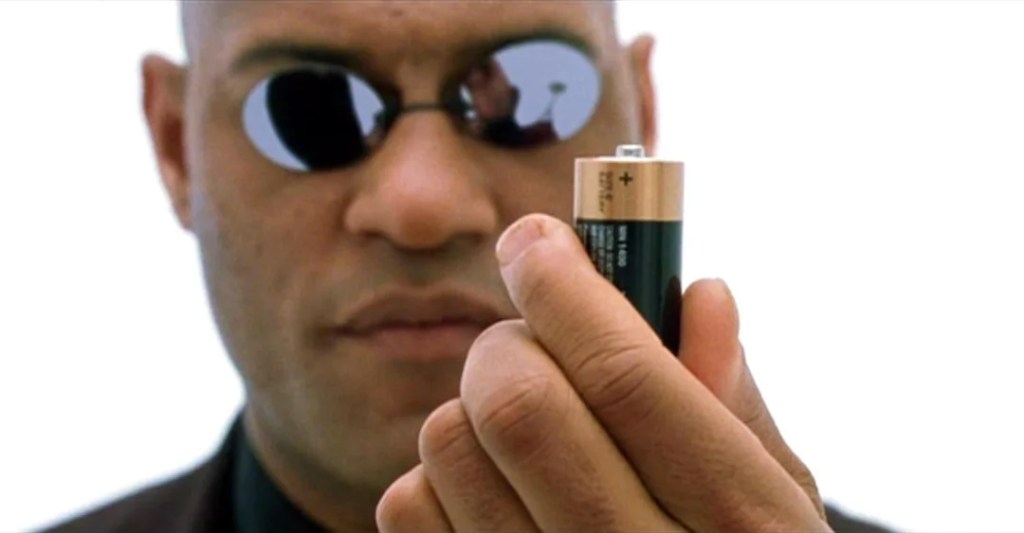
Like the machines in the Matrix, the corporations are fighting for a near-infinite revenue source, which is your attention, and as we capitulate to distraction, we give up our self-expression and our personal individuation as humans. We give up our free will as we willingly agree to plug ourselves into the Matrix.
In doing this, we give up access to inner states of being that we cannot reach or maintain when continually manipulated by outside sources.
We can change where we put our attention, though, and whether we want to continue to be used as a resource. Most importantly, where we put our attention can lead to flow states and creativity. Today I’m just going to talk about one way we can direct our attention. This is not the only way, but I believe it is intertwined with all the other ways.
Giving Attention in Meditation
A place we can learn to give ourselves attention is in meditation. Often when people think of meditation, they are thinking of getting out of their heads and letting go. This may be true for some meditation. It is important to be able to ground ourselves in meditation, and as a first step in meditation, we want to learn to self-regulate.
Attention to Thoughts
Part of self-regulation occurs during the first aspect of meditation: Calm Abiding. We want to quiet the mind and drop down into ourselves. In this aspect of meditation (also known as shamatha), we are giving attention to our thoughts. We may even say, “I am thinking” as we redirect ourselves to drop inward again, which often may be paired with bringing attention to our breath, or other things we use as a focus like a mantra, or music.
When we find ourselves thinking does not mean we are failing to meditate. It is part of the first aspect of meditation to find oneself thinking and to observe this action.
We bring attention to our thoughts.
Attention to Feelings
In the second aspect of meditation (vipassana), we want to drop deeper. This is the insight layer of meditation that we seek to give attention to. The question becomes: how do we give attention to insight? Insight to me, does not emerge from thought.
As a psychotherapist and meditator, I often speak of bringing attention to something more subtle than our thoughts, and that is our feelings.
We bring attention to the feelings that are present, and often because our emotions are subtle and swirling around, I refer to this as the ocean of emotions. If thinking happens in our head, then with vipassana we are attuning to the feelings somewhere between the heart and the gut. Although I describe it this way, I believe it involves every cell of our body which makes it part of the feeling function that humans have.
If we are feeling anxiety, we gently bring attention to that anxiety. If we are feeling some grief, then we may bring attention to this state of awareness.
We may simply sit with the awareness of this feeling state just as we observed thought in shamatha. In vipassana, the tending to our feelings is where insight can unfold, though, and that is a different thing.
This is because I believe that these fields of awareness in our emotions are what hold the information that can be expressed. When it is expressed, it can release the insight, the understanding of what it is we carry, and I believe this is related to flow states of creativity.
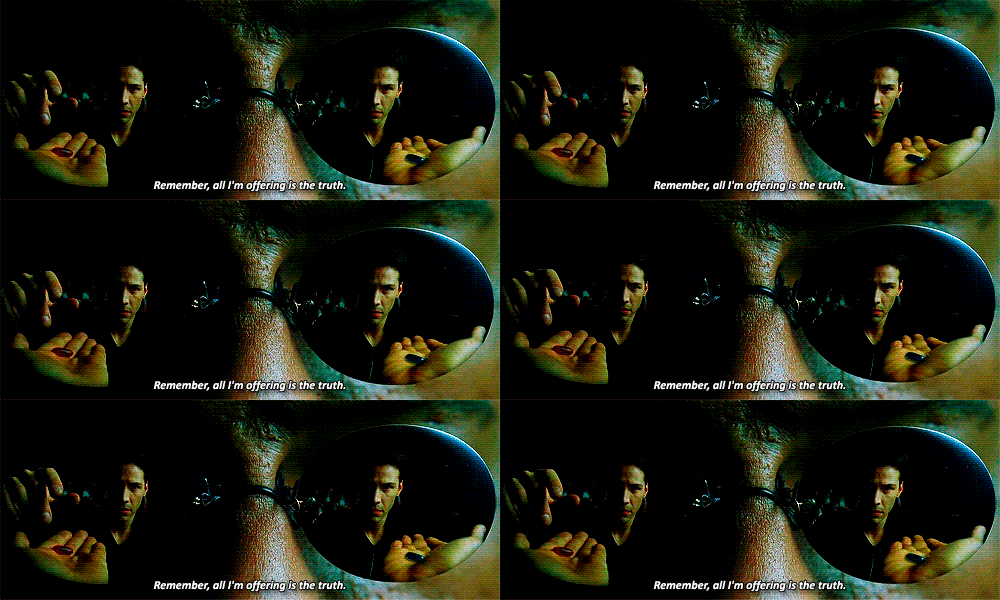
Escaping the Matrix
There is a bigger issue to all this, and by talking about giving attention, I’m talking about doing what Neo did in the Matrix. He was showing people they could live without the Matrix. Even though we look to Neo as the hero of the films, in the real world we seem to be edging closer to agreeing with Cypher, who said,
“I know this steak doesn’t exist. I know that when I put it in my mouth… the matrix is telling my brain that it is juicy, and delicious. After nine years, you know what I realize? Ignorance is bliss.”
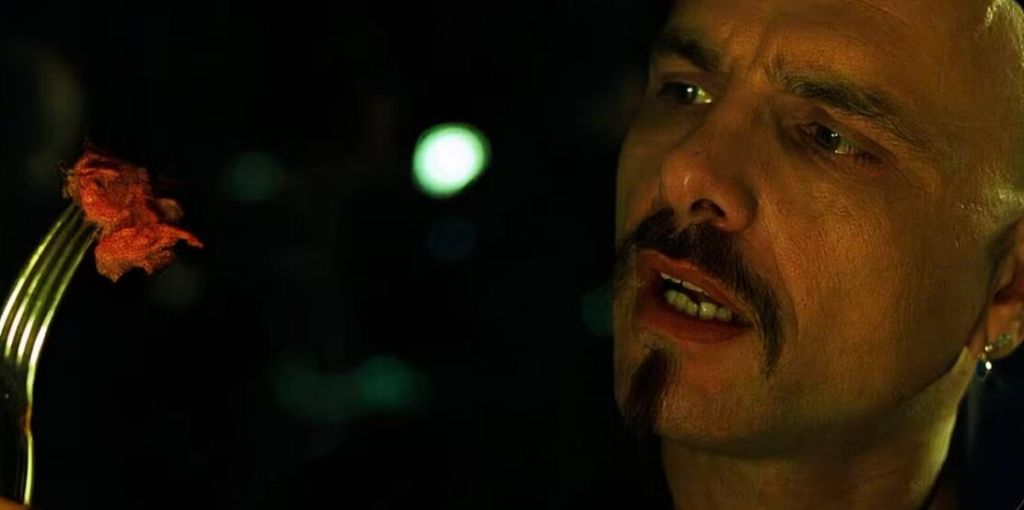
Like Cypher, people stop asking questions about how they are being used, or they ignore the impact on the environment that data centers have. Ultimately, they ignore the fact that corporations are sucking up information at alarming speeds, with the goal of making each of us obsolete in the utopia they envision.
That utopia does not have room for all of us, but people begin to believe that if only they get ahead of the curve, then it’s ok. Like playing some mad game of musical chairs, they want to get a seat before the music stops. They don’t see themselves left behind with this promise of a new world order where they can have it all, because they feel convinced they will get one of those seats.
KEANU AS ANOTHER ARCHETYPAL HERO
Perhaps not coincidentally, Keanu Reeves played another archetypal incarnation of the hero in a film that was based on awakening.
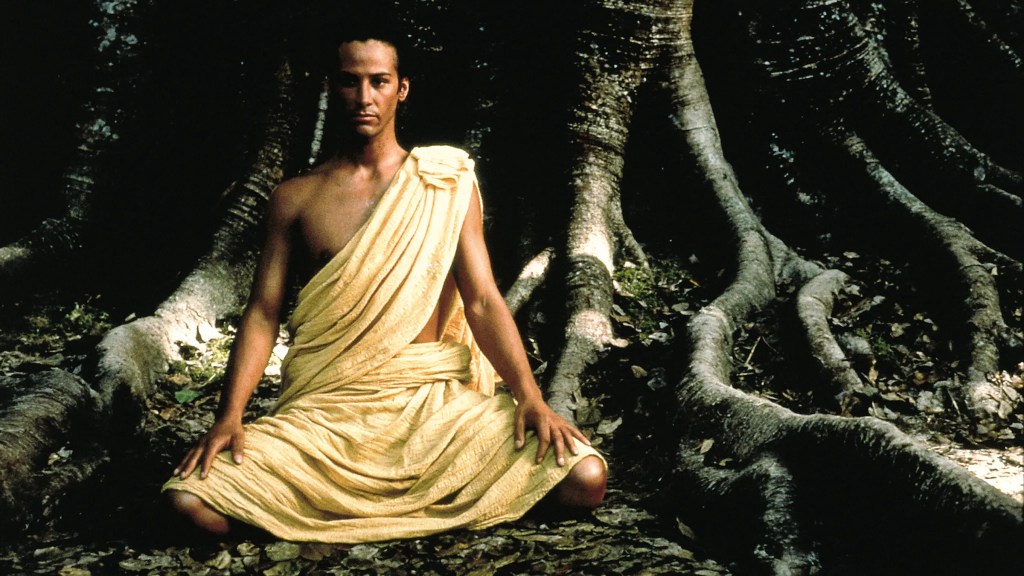
In the film The Little Buddha, Keanu did not use kung fu to defeat evil; he wasn’t shooting massive amounts of ammunition. He wasn’t throwing punches or flipping through the air. Instead, Keanu as Siddhartha Gautama gave up his worldly riches and went into the world as an ascetic. He dedicated himself to meditating for years, until one day under the Bodhi tree he became the awakened one, the Buddha.
In the scene above, we see that Mara is trying to distract Siddhartha, who does not budge. The narrator says, “Siddhartha was looking beyond form, beyond the present.”
Siddhartha gave up distractions and the delusion of control in life and went toward understanding the nature of suffering. I am not suggesting we give up everything to tend to ourselves, just to acknowledge that we have a Self to attend to and we are betraying ourselves with distraction.
These stories we tell are pointing to things that we know in our hearts. That in order to be free, we must be awakened to the true nature of life, and that we are part of the intricate balance of nature.
Humanity has reached a crossroads where we are deciding between the blue pill and the red pill. As the corporations gather their power to control us all and what we perceive to be reality, we have a choice of where to put our attention, so we do not slip into the slumber that comes from continual distraction.
In the final part of the scene above, Siddhartha, speaking to a reflection of himself, which is Mara, says, “Architect, finally I have met you. You will not rebuild your house again.” Mara responds, “But I am your house, and you live in me.” Siddhartha responds, “Oh lord of my own ego, you are pure illusion. You do not exist.”
AGREEING TO WAKE
This article is not meant to make us feel doom and gloom about the world, but to urge people to tend to themselves, with a couple of examples of how to do this.
As a psychotherapist, I see a direct correlation between how we spend our time and how we are suffering. Relief of suffering does not mean we all must give up our worldly goods and become ascetics, but rather that we are attending to ourselves to move away from behaviors that do not serve us.
We choose where we put our attention, and this word itself is related to attunement, attending, attachment. There are clues in this as well.
In my earliest work meditating, I did not believe there was anything I was moving toward, but in moving towards my personal work in meditation, writing, art, reading, and journaling, I find myself discovering that it is easier to achieve flow states where I can be more creative and tapped into something that feels bigger than myself. I’m not saying that it is always easy, and I’m not saying we get it for free.
I think that is the point, though, we don’t get the growth without putting in the effort.
I will have more to say about this as I dip a little more into this topic of attention and distraction and will explore next what others have to say about the nature of the human experience and how this relates to the nature of consciousness.

